

Understanding the difference between handrails and railings clarifies how each component contributes to safety and style. This guide describes how handrails support movement on stairs while railings form protective barriers on landings and balconies. By comparing functions, materials, installation, and upkeep, homeowners gain confidence when choosing both elements for their projects.
What Handrails Do
Handrails provide a continuous support surface along staircases. Installed at a height that aligns with a natural grip, these rails follow the slope of each stair run. Smooth finishes and rounded profiles allow for a steady hold when ascending or descending. In dimly lit areas or when carrying packages, the presence of a handrail reduces the risk of slipping. Regular inspection ensures brackets remain tight and the rail itself stays free of splinters or loose fittings. A handrail essentially becomes part of a home’s circulation path. It guides movement by tracing the contour of each step and transitioning seamlessly at landings. In public and private spaces alike, handrails safeguard against unexpected missteps. Their design can blend into wall surfaces or stand out as an architectural statement. Maintenance of the handrail focuses on keeping the surface smooth and checking the anchoring points for any sign of fatigue.
What Railings Do
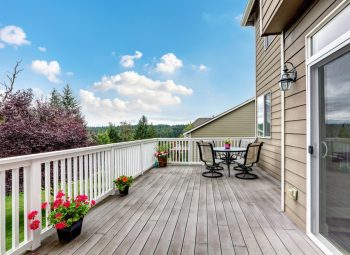
Railings serve as protective boundaries around open edges. Whether framing a balcony’s perimeter or lining an open‑sided stairwell, railings prevent accidental falls. Constructed from posts and infill elements, such as balusters, cable, glass panels, or ornate ironwork, railings fill the gap between the floor and guard height requirement to block passage through or over the edge. A well‑secured railing not only enhances safety but also defines a space’s architectural character. In addition, railings integrate with a building’s design vocabulary. They can extend along elevated walkways or enclose outdoor patios. By setting a clear visual limit, railings direct foot traffic and mark transitions between different levels. Their height and sturdiness become critical on rooftops and mezzanines. While handrails guide steps, railings stand firm as the primary defense against falls, combining structural demands with aesthetic ambitions.
Handrail Vs. Railing
While handrails and railings often appear together, their roles remain distinct. Handrails guide a hand along a path of travel, mounted parallel to stair treads or ramp surfaces. Railings form a barrier at edges, installed perpendicular to walking surfaces. In an open‑tread staircase, a handrail provides the gripping surface while railings prevent lateral movement beyond the stair footprint. Both must comply with local building codes for height, strength, and spacing to support safe use. A clear separation of duties helps installers and designers select the proper components for each location. Handrails prioritize graspability and ergonomic profiles, whereas railings demand infill spacing and structural resistance to loads. When both elements coexist, their junction at newel posts or wall returns must marry form and function. Proper coordination between handrail and railing systems prevents conflicts, streamlines installation, and upholds consistent visual appeal throughout the stairway.
Materials Used
Handrails most commonly appear in wood, metal, or rigid plastics. Hardwood options such as oak and maple offer warmth indoors, while powder‑coated steel or aluminum provides a modern, durable finish. Railings share similar material choices, with additional variations including tempered glass panels and stainless‑steel cable systems. Selection often depends on desired aesthetics, exposure to weather, and maintenance preferences. Mixing a wooden handrail atop a metal railing system remains popular for a balanced look. Moreover, composite materials such as fiberglass and recycled plastics gain traction where moisture and insect damage pose concerns. Glass railings combine safety with transparency, granting uninterrupted views in high‑end applications. Stainless steel cables create slender sightlines for contemporary decks. Even wrought iron enjoys a revival in artisan installations. Each material’s thermal expansion, susceptibility to UV radiation, and long‑term shrinkage or swelling characteristics must factor into the choice for both handrails and railings.
Safety and Code
Building codes dictate specific requirements for both elements. Handrail height typically falls between 34 and 38 inches above stair nosings. Graspable profiles must conform to dimensions that allow a secure hold. Railing infill must prevent a four‑inch sphere from passing through any opening, and guard height on elevated surfaces must reach at least 36 inches in most jurisdictions. Compliance prevents inspection delays and mitigates liability in case of accidents. Code provisions also address handrail extensions beyond the top and bottom steps, projecting safety beyond the last tread. Continuous gripping surfaces and rounded ends reduce snag hazards. Load testing standards require railings to withstand specified lateral forces, ensuring resilience under crowd or wind loads.
Installation Differences
Handrail installation involves setting wall brackets or newel posts at precise angles matching the stair slope. After locating studs or footings, brackets are fastened, and the rail is cut to length before final attachment. Railing installation begins with post placement, often anchored in concrete or secured to framing, followed by attachment of horizontal rails, balusters, or infill panels. Metal railings may require on‑site welding or specialized hardware, whereas wood railing kits often use pre‑drilled connectors. Time estimates differ, as handrails can be mounted within hours by a single installer, while railing systems often demand multiple trades. Concrete footings for railing posts need time to cure, and metal fabricators may need to adjust panels on site for plumb alignment. Coordination among carpenters, metalworkers, and finishers becomes essential. Well‑planned staging prevents material damage and keeps labor efficient, especially in remodel settings where existing finishes require protection.
Maintenance Needs
Wood handrails benefit from periodic cleaning with a damp cloth and occasional refinishing to address scratches or watermarks. Metal rails wound with epoxy or powder coatings may only need a wipe‑down to prevent surface rust, with touch‑up paint applied to any exposed areas. Railings made from glass demand special cleaners to avoid streaks, and cable systems require tension checks to maintain rigidity. Annual inspections catch loose fasteners or weathering before safety is compromised. Outdoor installations face harsher conditions, calling for fade‑resistant coatings and sacrificial anodes in coastal regions. Salt spray accelerates corrosion on metal rails and brackets, so fresh sealants may need reapplication every few years. Wood rails exposed to sun and moisture can swell, requiring re‑sealing with UV‑stable finishes. Preventive maintenance logs help track intervals, ensuring that both handrails and railings continue to meet performance expectations without major restoration projects.
Style and Design
Design choices for handrails range from traditional turned wood profiles to sleek, minimalist metal shapes. Railings expand on this variety with vertical pickets, decorative scrollwork, cable runs, or uninterrupted glass panels. Material finishes, natural wood tones, painted metal, and brushed stainless steel set the tone for formal entries, casual outdoor decks, or industrial‑style lofts. Coordination between handrails and railing systems ensures visual harmony throughout a space. Emerging trends explore mixed media, such as concrete posts with metal balusters or LED‑integrated rails that illuminate steps at night. Custom laser‑cut panels add intricate patterns to contemporary railings. Ergonomic research influences handrail shapes, with tapered and oval cross‑sections improving grip comfort. Color-matching hardware to rail finishes reduces visual clutter.
Cost Considerations
Material costs for handrails often start lower for wood but rise when factoring in finishing labor. Metal handrails carry higher per‑foot material prices and may incur additional installer fees for welding. Railing systems exhibit wide price ranges: basic wood baluster kits occupy the lower end, while custom wrought iron or frameless glass panels command premium rates. Long‑term value hinges on durability and maintenance frequency rather than initial outlay alone. Installation complexity also drives expense. Custom curved handrails require specialized CNC routing and on‑site fitting, which adds shop time and labor costs. Prefabricated railing sections may reduce labor rates but limit design flexibility. Freight charges for heavy metal components or tempered glass units influence budgets.
Durability Comparison
Wood handrails can dent or warp under heavy use or in humid conditions. Metal rails resist impact and retain shape, with aluminum excelling in coastal climates for corrosion resistance. Composite railings avoid rot and insect damage, though they may discolor over time. Railings constructed from wrought iron require repainting to control surface rust, while cable and glass systems remain largely unaffected by weather. Material choice impacts lifespan and repair frequency. High‑traffic areas such as commercial foyers place additional demands on both handrails and railings. Abrasion‑resistant coatings extend service life in multi‑user environments. Impact‑tested glass panels offer safety ratings suitable for elevated balconies. Fatigue loading considerations apply to floating stair rails, where vibration can loosen fasteners over time. Thorough evaluation of expected loads and environmental exposure guides material selection for maximum longevity.
Choosing the Right Fit
Decisions begin by mapping the locations requiring support or fall prevention. Stair angle, traffic patterns, and architectural style inform material selection. A narrow hallway might benefit from a slim-profile handrail, while an expansive deck calls for a robust railing system. Mixing materials, wood caps on steel posts, and glass inserts within a wood frame allows customization to match décor while meeting performance requirements. Contractors often recommend mock‑up samples to verify proportions and finish compatibility under actual lighting. Design reviews address connection details that hide fasteners or accentuate decorative points. Budget allowances for change orders account for potential upgrades such as integrated lighting or touch‑sensor activation. Through careful planning, the final installation achieves harmony between functional needs and visual aspirations.
Aging and Replacement
Replacement of handrails becomes necessary when splinters form or the rail loosens at its supports. Metal rails may need sections swapped if corrosion penetrates coatings. Railings require replacement upon cracking of glass panels or significant paint loss on ironwork. Cable infill demands re‑tensioning or replacement of frayed runs. Proactive inspections and minor repairs during annual maintenance extend the service life of both handrails and railings. Lifecycle assessments estimate when full replacement offers better value than repeated patch repairs. Recycling of old metal rails and glass inserts reduces landfill waste. Reclaimed wood handrails find new life in decorative applications. Warranty coverage often guides replacement timing, as some finishes carry multi‑year guarantees. Proper documentation of past maintenance supports decisions involving restoration versus full replacement.
Resale and Value
Well‑executed railing systems and secure handrails enhance perceived home quality. Buyers often inspect these features for compliance and condition. New installations backed by warranty and clear documentation support higher asking prices and smoother transactions. A cohesive design that integrates both elements can create a strong first impression in marketing materials and open houses. Real estate appraisers recognize high‑end railing materials such as wrought iron or architectural glass as value‑adding upgrades. Energy‑efficient LED handrail lighting contributes to modern appeal. Features such as continuous handrails along ramps demonstrate accessibility compliance, appealing to multi‑generational buyers. Replacement of outdated railing systems ahead of sale can mitigate negotiations over safety fixes, preserving the sale price and minimizing closing delays.
Calderon Steel partners with residential and commercial clients to design and install durable rail systems. Specializing in custom metal and iron railings, we also offer refinishing services using powder‑coat and epoxy finishes. Backed by comprehensive warranties and nearly a decade of positive reviews, we deliver craftsmanship tailored to each project’s style and performance needs.
For expert advice or a complimentary estimate on handrails and railing solutions, contact us today.