

When you look at wood vs. metal stair railing costs for your home, you want information that makes sense and fits your budget. You will learn here how each material fares in price, upkeep, strength, and style. Read on to learn more about this.
Material Basics
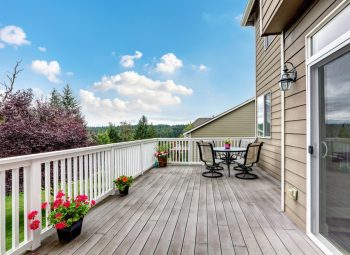
Wood railings start with oak, pine, or maple. You cut, sand, and finish these pieces to match your decor. Metal railings come in steel, iron, or aluminum. You see steel in modern homes and iron in classic spaces. Aluminum works for outdoor stairs near pools or decks. Here, you get smooth or textured surfaces and curved or straight bars. Wood also feels warm under your hand, and this makes it suitable for a cozy setting. Metal feels solid and stands firm against impacts. As you think of wood vs. metal stairs, you need to imagine the look you want to greet your guests when they visit your home. Wood rails pick up dents more easily than metal, so you need to handle them with care. You may pick a wood tone that matches banisters, floors, or trim in your home. You can also stain or paint the wood to highlight the grain or hide imperfections.
Installation Costs
Wood rail installation begins with posts set in concrete and rails slotted into place. You pay for carpentry time and finishing work. You stain or paint by hand to seal the grain and color. Metal rail installation uses welded brackets and bolts. You dig holes for heavier posts and vet welds for strength. Coating steel with epoxy or powder will help to stop rust. You find that basic wood rails may cost less at first, but metal rails often match or beat wood in total installation dollars once you factor in prep work and finish coatings. Installation timing can vary too. You set wood posts and wait for the concrete to dry before adding rails. You then have to sand each wood joint and apply two coats of sealant. That takes time and adds to labor. Metal installers arrive for railing installation with gear to cut, bolt, and weld all in one visit. They measure twice and weld once, leaving you with a finished rail in a day. You get to avoid days of drying and sanding. You also get a faster outcome when you choose metal for both ease and cost predictability.
Upkeep Expenses
Wood railings need sanding, staining, and occasional sealing. You watch for splinters or small cracks after a few years. You budget for work every three to five years. Metal railings need a rust check and touch-up paint if coating chips. You spend less time on upkeep. Simply wiping down rails to remove dust or moisture is all that is required. You tighten loose bolts once in a while. You avoid termite or rot damage that wood faces in damp areas. When you compare care costs, metal often wins for a lower dollar and time outlay. You inspect wood handrails for water stains and warping if your home sees damp weather. You plan weekends of sanding rail tops and reapplying finish to keep them smooth. Metal rails shrug off water and pet scratches.
Longevity and Durability
Wood shows scratches and dents if you bump a heavy object into it. You can sand and refinish those spots, but you lose a bit of material each time. Wood may warp in humid climates or crack in dry heat. Metal rails resist impact and hold shape under weight. Steel or iron railings last decades without bending. Aluminum stands up to salt air near the coast. You never worry about rot or insect damage. If you test both, a metal rail will keep its form far longer than wood. That reliability adds value when you plan for years to come. Metal rails shrug off knocks from moving furniture and stand firm under pressure from curious children. You touch metal handrails and feel no wobble or flex. You climb up and down hundreds of times without fretting. A wood rail can creak or loosen as joists settle in a house.
Style and Customization
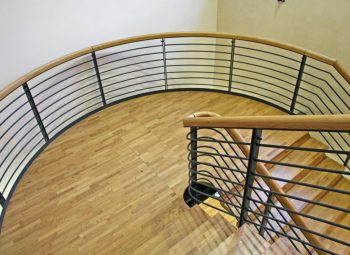
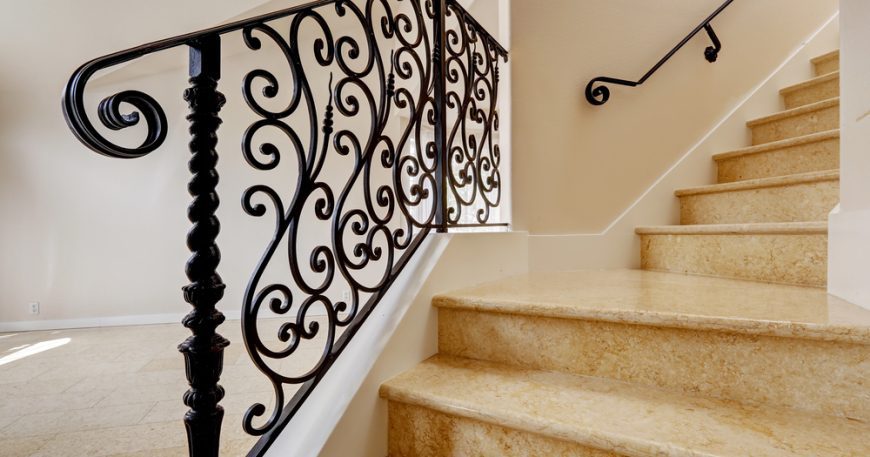
Wood admits curves, turned spindles, and carved details. You get warm tones that match hardwood floors. You get to choose clear grain or knotty styles for a rustic feel. Metal styles run from slender rods to bold panels with scrollwork or geometric cutouts. You see sleek railings in black or classic ironwork in dark bronze. You can match metal finishes to door hardware or lighting fixtures. The decision between wood vs. metal railing often hinges on the mood and aesthetics that you want in your entryway or loft. Metal lets you play with shapes that you cannot carve in wood. You can also pick straight bars for a minimalist look or spiral twists for a touch of art.
Safety and Building Codes
Rail height and spacing rules apply to both wood and metal rails. You follow the same stair regulations for maximum gap widths and handhold shapes. Homeowners often feel confident that metal rails meet the code due to their strength. Wood rails also meet the code, but only if built to the required specifications, and need more frequent inspections for loose pieces. You can test each section for wobble. Metal rails hold fast under pressure tests. You check that all bolts are tight and welds aligned. With metal, you trust a solid anchor rather than wood, which might weaken with time. You confirm that handrails sit at a height you can grip easily when you walk up or down stairs. You measure the gap between balusters to keep small fingers safe. You tap each spindle and watch for play in the joinery.
Resale and Property Value
Home buyers note solid rails when they tour a house. They imagine a safe environment for children or elderly family members. A metal railing sends a signal of quality craftsmanship. Wood rails feel warm but may show wear sooner. Buyers often factor in the cost of future sanding and refinishing. You find that homes with metal accents often list at a higher per-square-foot price. Metal rail investment may offer higher returns than what it costs to install. While a fresh wood rail can charm a buyer, it is possible that the buyer will want to know about the cost of maintenance. They will wonder when the wood will need a new stain or sealant. For this reason, you may secure a premium when you show them a powder-coated steel railing with a ten-year warranty.
Cost Examples
A simple oak rail might run you twenty to thirty dollars per linear foot for materials alone. You add labor at fifty dollars per hour for cutting and finishing. A powder-coated steel rail may cost forty to sixty dollars per linear foot for material and coating. Labor rates run from sixty to eighty dollars per hour for welding and setting. You add rental for welding equipment if the installer does not own tools. As you tally these figures, you will see that metal can outpace wood in price when you look only at materials. Yet when you add staining, sealing, extra labor hours, and future upkeep, metal often proves more budget-friendly over a ten to twenty-year span.
Calderon Steel partners with homeowners and businesses across the country to craft railings that last a lifetime. We shape steel and iron into stair rails, balcony guards, and custom ironwork. We renew old fixtures with thorough cleaning and fresh coatings that resist wear. We back our work with strong warranties and years of positive reviews.
You deserve a railing that fits your home and stands firm for years. To get a free estimate or learn more, please contact us today.